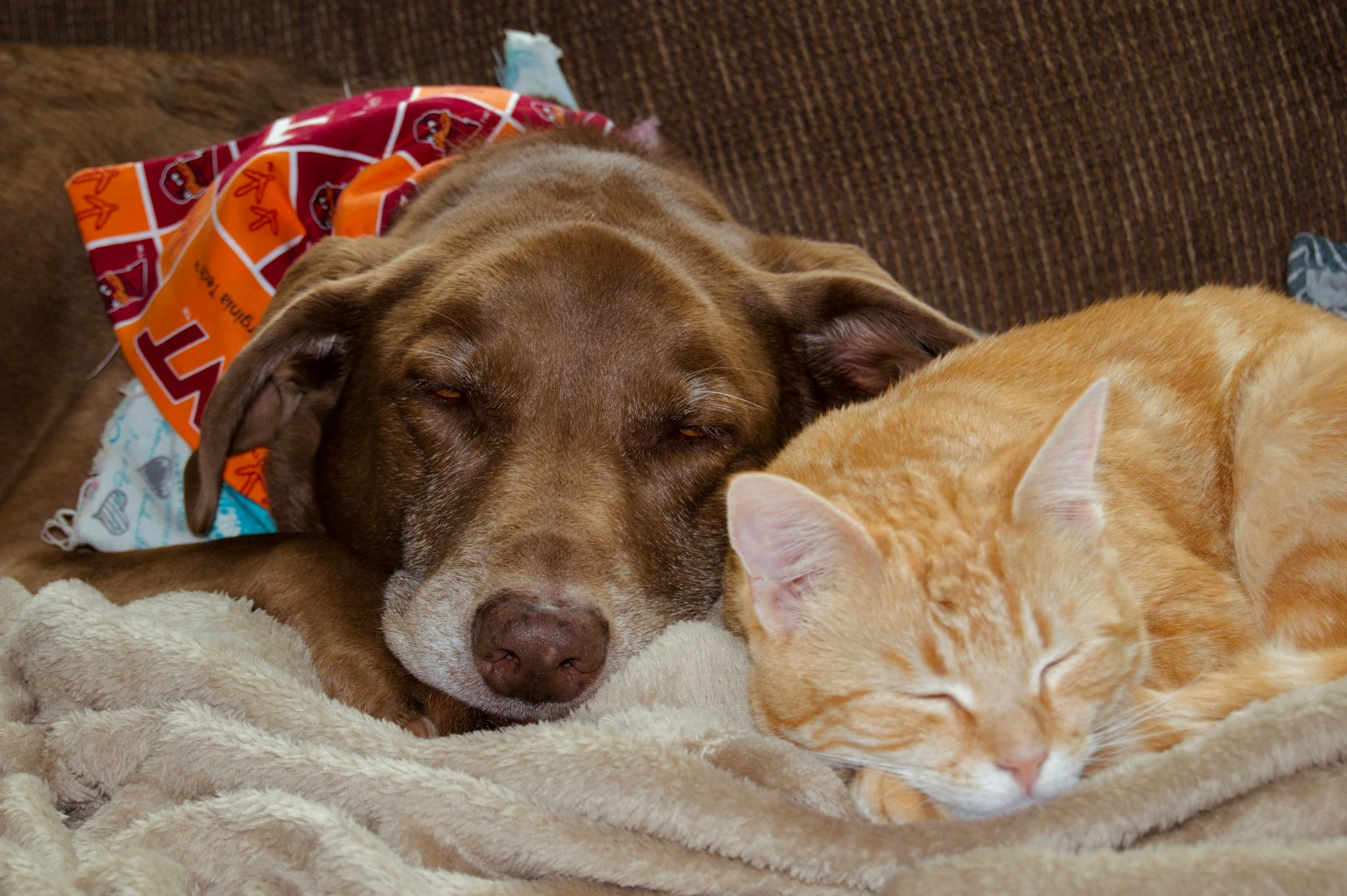
If you’re thinking about adopting an older dog or cat, it’s important to know what to expect so you can decide if a senior pet fits your lifestyle. At Coral Ridge Animal Hospital, your Pompano Beach veterinary clinic, we support families who adopt senior pets and help them enjoy the special rewards and responsibilities that come with caring for older animals. Senior pets—usually dogs over 7 and cats over 10—are often passed over in shelters, but they offer great benefits like steady personalities, calmer energy, and the joy of giving a loving home to an animal in their later years.
Of course, adopting an older pet does come with a few things to keep in mind. You may need to be ready for some health issues, a little less pep, and maybe not as many years together as you’d get with a puppy or kitten. But senior pets have some wonderful perks! Most are already house-trained, have left their wild puppy or kitten days behind, and are just happy to enjoy a comfy nap and a second chance. In this article, we’ll look at why adopting a senior pet is so special, what to expect, and how to make your new furry friend feel right at home.
Defining “Senior” and What It Means
It’s helpful to know when a pet is considered a senior, and what that means for their care. Understanding this can help you know what to expect if you’re thinking about bringing home an older dog or cat.
Age Guidelines:
Dogs: Generally considered senior around age 7, though this varies significantly by size. Small breeds (under 20 pounds) age more slowly, becoming seniors around 10-12 years. Giant breeds (over 90 pounds) age rapidly, reaching senior status by 5-6 years old. Medium and large breeds fall somewhere in between at 7-8 years.
Cats: A cat is typically considered a senior between ages 10 and 11, with ‘geriatric’ used for cats age 15 and older. Many cats live into their late teens or early twenties with appropriate care.
Keep in mind, these are just general guidelines. Many senior pets are still healthy, playful, and full of life long after they hit their so-called golden years.
Normal Aging vs. Disease:
It’s crucial to distinguish normal aging changes from disease requiring treatment. Normal aging includes:
- Gradual slowing down and reduced stamina
- Graying muzzle or face
- Slightly decreased hearing or vision.
- More frequent napping
- Mild stiffness after rest (improving with movement)
These changes are normal and usually don’t need any special treatment—just a few tweaks at home. If you spot big changes in your pet’s behavior, appetite, or movement, or if they seem confused, it’s time to call your vet.
Life Expectancy After Adoption:
If you adopt a 7-year-old medium dog, you might have about 5 good years together. A 10-year-old cat could give you 8 to 12 more years. Even though this may be less time than with a young pet, the bond and appreciation from senior pets often make every moment count.
Senior Pet Adoption Benefits: Why Choose an Older Companion
Senior pets have some pretty great perks that make them wonderful additions to many families. If you’re thinking about adopting, here are a few reasons to consider an older furry friend.
Known Personality and Temperament:
Unlike puppies and kittens, senior pets already know who they are. What you see is what you get—no surprises about size, energy, or personality. This makes it much easier to find the perfect match for your family.
Shelters can accurately describe whether a senior dog is gentle with children, cat-friendly, or prefers a quiet home. Senior cats reveal if they’re lap cats or independent, vocal or quiet, playful or sedate. This information helps prevent mismatches that lead to returns.
Already Trained:
Most senior dogs are house-trained, understand basic commands, and know how to walk on a leash. They’ve lived in homes before and understand household rules. While some need refresher training or adjustment to your specific routines, you skip the intensive training phase required with puppies.
Senior cats are usually litter box pros, know how to use scratching posts, and have their grooming routines down pat. The wild kitten days are far behind them!
Calmer Energy Levels:
Older pets are usually happy with a little exercise and lots of quiet company. They don’t need hours of playtime like the youngsters do. Most senior dogs are content with a few short walks, and senior cats are perfectly happy with a quick play session and plenty of naps.
This mellow energy level is perfect for busy professionals, retirees, or anyone who wants a loving companion without the wild antics of a puppy or kitten. Senior pets slip right into your routine and don’t need constant attention.
Gratitude and Bonding:
Many people say that senior rescue pets seem extra grateful for their second chance. While we can’t prove it, these pets often bond quickly and deeply with their new families. It really can feel like they know they’ve been saved, and the connection you build can be truly special.
Saving a Life:
Sadly, senior dogs and cats are at the highest risk in shelters, with about half not making it out. By adopting a senior pet, you’re truly saving a life and giving a sweet animal the loving, peaceful years they deserve. The reward of knowing you made such a difference is priceless.
Perfect for Seniors Themselves:
Senior pets are also a great match for older adults. A calm, well-mannered older dog or cat often fits perfectly into a retiree’s lifestyle. There’s something special about the bond between older people and older pets—it’s a partnership full of understanding and love.
What to Expect: Adopting a Senior Pet: Health Considerations
Knowing what to expect with senior pet health can help you feel ready—both in your heart and your wallet. A little preparation goes a long way toward making your adoption experience a happy one.
Common Age-Related Conditions:
Arthritis: Affects 80% of dogs and 90% of cats over age 12. Arthritis causes joint pain and stiffness, but is manageable through pain medication, joint supplements, weight management, and environmental modifications (ramps, orthopedic beds).
Dental Disease: 85% of pets over age 10 have dental disease requiring professional cleaning or extractions. Proper dental care prevents pain and systemic health issues.
Kidney Disease: Affects 30-40% of senior cats and 10-15% of senior dogs. Early stages can be managed with dietary changes and hydration support. Advanced stages require more intensive care.
Heart Disease: Increases with age in both dogs and cats. Many forms are manageable with medication, allowing years of good quality of life.
Cancer: Risk increases with age. Not all cancers are fatal or even require aggressive treatment, but a cancer diagnosis requires discussion with your Pompano Beach veterinarian about treatment options and prognosis.
Cognitive Dysfunction: Similar to dementia in humans. About 50% of dogs over age 11 are affected. Symptoms include confusion, altered sleep patterns, house-training accidents, and anxiety. Medications and supplements can help manage symptoms.
Pre-Adoption Health Screening:
Before adopting, request the shelter’s veterinary records showing:
- Recent physical examination findings
- Current medications or treatments
- Known health conditions
- Vaccination status
- Dental condition
- Any surgical history
Consider having your own veterinarian examine the pet before you finalize adoption, if the shelter allows. This will identify existing conditions and help you understand potential costs and care needs. Many shelters also offer post-adoption veterinary vouchers that cover initial exams.
Not All Seniors Have Health Problems:
Plenty of senior pets are healthy and just need the basics—regular checkups, good food, and lots of love. Don’t assume every older pet will have big medical bills, but it’s smart to be prepared just in case.
Financial Realities of Senior Pet Adoption
Knowing what things might cost can help you plan ahead and avoid surprises. A little budgeting now means you and your new furry friend can enjoy your time together without worry.
Adoption Fees:
Many shelters lower adoption fees for senior pets—sometimes even offering them for free or for just a small fee. Some have special programs for older adopters, too, so it’s worth asking about discounts if you qualify.
Veterinary Care Costs:
Routine Care: Annual or bi-annual wellness exams ($50-100 each), vaccinations ($20-50 annually), parasite prevention ($15-30 monthly), and dental cleanings ($300-800) apply to all pets regardless of age.
Age-Related Care: Senior pets benefit from more frequent exams every 6 months and annual bloodwork screening for diseases ($100-200 per year). They may also need chronic medication for conditions like arthritis ($20-60 monthly), heart disease ($30-100 monthly), or thyroid issues ($15-30 monthly).
Emergency Care: While any pet can require emergency care, seniors are more likely to experience acute illness. Emergency vet visits typically cost $500-2,000+.
Pet Insurance Considerations:
Most pet insurance companies don’t accept new enrollees over age 10-12, or they exclude pre-existing conditions. If you adopt a younger senior (7-9 years old) with no health issues, insurance might be available, but it will cost more than insuring young pets.
Another idea is to set up a savings account just for pet expenses and add a little each month, like you would for insurance.
Cost-Benefit Perspective:
While you might spend a bit more on vet care for a senior pet, you’ll often save in other areas compared to raising a puppy or kitten. Here’s why:
- No spay/neuter surgery (usually already done)
- Less property damage (no destructive chewing)
- Minimal training costs
- Lower food costs (eating less than growing youngsters)
- Less frequent grooming needs in some cases
Preparing Your Home for a Senior Pet
A few simple changes around your home can help keep your senior pet safe and comfy.
Accessibility Improvements:
Ramps and Steps: These help achy pets get onto furniture, beds, or into the car without having to jump. Pet ramps or stairs are usually affordable and can help prevent injuries.
Non-Slip Flooring: Rugs or yoga mats on slippery floors can help your senior pet keep their footing and avoid slips or falls.
Easy-Access Litter Boxes: Senior cats appreciate litter boxes with low sides, so it’s easy to step in and out. Having a few boxes around the house means your kitty won’t have to climb stairs when nature calls.
Raised Food and Water Bowls: Lifting bowls up a bit can make mealtime easier on achy necks and backs.
Orthopedic Bedding: A soft, supportive bed can help cushion sore joints and give your pet a cozy place to rest. Put beds in quiet, easy-to-reach spots.
Nightlights: A little extra light at night can help senior pets with vision problems find their way to food, water, and the bathroom.
Safety Modifications:
Block Stairs: If stairs are tricky for your senior pet, use baby gates to keep them safe and on one level. Clear pathways of clutter, electrical cords, or small items that visually impaired pets might trip over.
Secure Outdoor Areas: Ensure fences are secure—senior pets who wander due to cognitive dysfunction can become lost even in familiar neighborhoods.
The Adoption Process for Senior Pets
Knowing what to expect during the adoption process can help you feel ready and confident.
Finding Senior Pets:
Local Animal Shelters: Ask your local shelter about senior pets. They might not be front and center, but there are often wonderful older animals waiting for homes.
Rescue Organizations: Many breed-specific rescues have senior dogs, and there are even rescues just for older cats in some areas.
Online Platforms: Websites like Petfinder and Adopt-a-Pet let you search just for senior pets, making it easy to find an older friend nearby.
Shelter Assessments:
Reputable shelters evaluate each animal’s:
- Temperament and personality
- Health status and medical needs
- Behavior with other animals
- Comfort with children
- Activity level and exercise needs
- Any special requirements (medication, dietAll this info can help you decide if a particular senior pet is the right fit for your family and lifestyles, and preferences.
Post-Adoption Support:
Quality rescues provide post-adoption support, including:
- Phone or email consultation for questions
- Access to trainers or behaviorists if needed
- Medical records and care instructions
- Sometimes limited medical coverage (first 30 days)
Be sure to ask about support services before you adopt. A little extra help can make things much smoother.
Helping your new senior pet settle in takes a little patience and lots of love. Older pets often adjust faster than young animals because they’ve lived in homes before and understand household routines. However, they’ve also experienced trauma (losing their previous home), requiring a gentle transition.
Set up a quiet spot with food, water, a comfy bed, and easy bathroom access (a litter box for cats, or frequent potty breaks for dogs). Let your new friend explore at their own pace—no pressure! Some pets settle in just a few days, while others may need a couple of weeks to feel truly at home.
Establishing Routine:
Senior pets thrive on predictable routines. Establish consistent:
- Feeding times (2-3 meals daily)
- Walk schedules for dogs
- Play or interaction times
- Bedtime routines
Sticking to a routine helps your senior pet feel safe and loved, and it can help you bond even faster.
Building Trust:
Use a gentle voice, move slowly, and give your senior pet space at first. Hand out treats, offer gentle pets, and just hang out quietly together. Let your bond grow at its own pace—many senior pets show their love quickly once they know they’re safe.
Integration with Other Pets:
Introduce your new senior pet to other animals slowly, just like you would with a puppy or kitten. Seniors are often calmer during meet-and-greets, but it’s still smart to keep an eye on everyone at first.
Veterinary Visit:
Be sure to schedule a checkup with your Pompano Beach vet clinic during your first week together. This helps you get to know your new pet’s health needs and gives you a good starting point for future care.
You can learn more about adopting a senior dog from PetMD here. Catster has a piece on adopting a senior cat, which you can read here.
FAQ About Adopting Senior Pets
What are the benefits of adopting a senior pet?
Senior pet adoption benefits include known personality and temperament allowing accurate matching to your lifestyle, established training (house-training, basic commands, leash manners), calmer energy requiring less intense exercise and attention, skipping destructive puppy/kitten phases, faster bonding as many seniors seem grateful for second chances, suitability for quieter households and older adults, and the profound reward of saving a life since senior pets face 50% euthanasia rates in shelters. Additionally, senior pets integrate into established routines more easily than young animals, so they require less extensive training and supervision.
How long will my adopted senior pet live?
Life expectancy varies dramatically by species, breed, size, and individual health, but adopting a 7-year-old medium dog potentially gives you 5+ years together, while a 10-year-old cat could provide 8-12+ years. Many seniors are remarkably healthy, living comfortably for years with routine care. Even if time together is shorter than when adopting young animals, the depth of the bond and appreciation senior pets show often make every moment more meaningful. Your Pompano Beach veterinarian can assess your specific pet’s health status and provide realistic life expectancy estimates based on the current condition.
Are senior pets more expensive to care for?
Senior pets often require more frequent veterinary care, including bi-annual exams and bloodwork, potential chronic medications for arthritis, heart disease, or other conditions, and a higher probability of dental cleanings or acute illness. However, they cost less in other areas: no spay/neuter surgery, minimal training expenses, less property damage from chewing, and lower food costs than growing puppies. Overall costs vary by individual health—many healthy seniors cost no more than younger pets, while those with chronic conditions require larger budgets.
Will a senior pet bond with me?
Yes, senior pets bond deeply with adopters, often more quickly than younger animals. Despite myths that older pets can’t form new attachments, rescue senior pets typically show profound gratitude and affection toward their adopters. Many seem to understand they’ve been given a second chance and reciprocate with loyal, devoted companionship. The established, calmer personalities of seniors often facilitate bonding, as their behavior is predictable and their appreciation is obvious. In most cases, expect strong bonds to develop within weeks of adoption.
Start Your Senior Pet Adoption Journey with Support from Our Pompano Beach Veterinary Clinic
Knowing what to expect when adopting a senior pet can help you make the best choice and enjoy all the special moments these wonderful animals bring. Senior pets have steady personalities, gentle temperaments, and a way of showing their gratitude that’s truly heartwarming. If you’re thinking about adopting an older dog or cat and need a “vet near me” in Pompano Beach, Coral Ridge Animal Hospital is here to help with wellness exams, health checks, and advice to help your new friend thrive.
Don’t overlook senior shelter pets in favor of younger animals—these wonderful companions deserve loving homes and will reward your kindness with devoted affection. Schedule a pre-adoption consultation or post-adoption wellness exam today so we can help you understand the benefits of senior pet adoption specific to the animal you’re considering, assess their health status, and create a care plan to ensure comfortable, happy years together. Contact our Pompano Beach animal hospital now to support your journey toward adopting a senior pet successfully.
This blog is intended solely for informational purposes. Always consult with your veterinarian for proper medical advice, diagnosis, or treatment plan for your pet and follow their guidance.
To learn more about Coral Ridge Veterinary clinic, your premier animal hospital serving Fort Lauderdale, Pompano Beach, and Oakland Park FL, stop by our Service page here for an overview. You can also visit our dentistry page here, or our Wellness and Vaccinations page here.