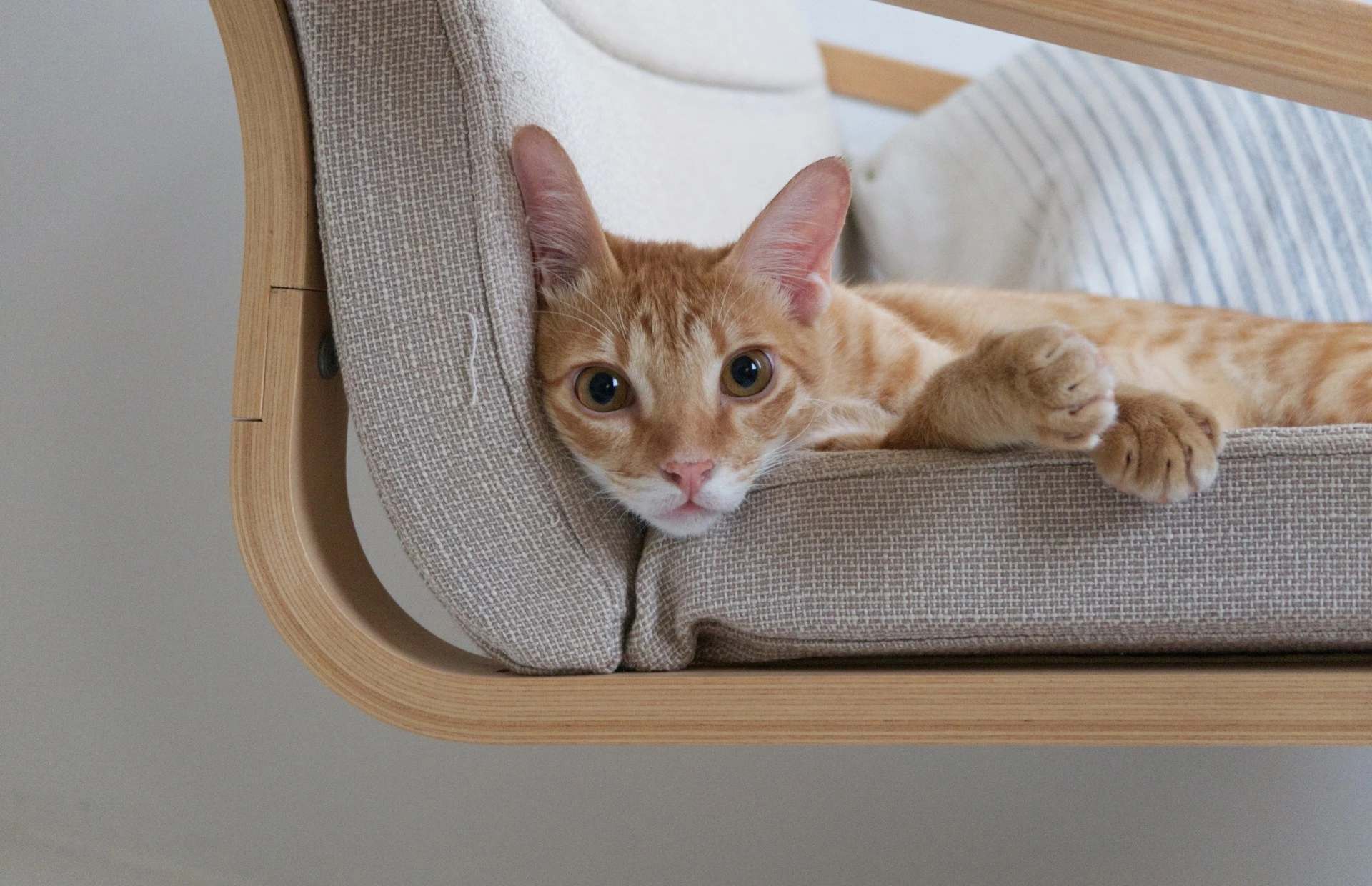
Does your cat seem a bit rounder than they should be, or are you wondering if those extra pounds are actually a problem? Knowing how to tell if a cat is overweight is crucial because feline obesity has reached epidemic proportions. 60% of cats in the United States are overweight or obese, making it one of the most common yet preventable health problems we see. At Coral Ridge Animal Hospital, your Fort Lauderdale veterinary clinic, we help cat owners recognize cat obesity signs and symptoms early and implement effective cat weight loss solutions before excess weight causes serious health complications. Even 1-2 pounds of excess weight significantly increases your cat’s risk for diabetes, arthritis, and urinary problems, and can reduce their lifespan by 2-3 years. Excess weight represents a much larger percentage of body weight for cats than for humans. A 12-pound cat who should weigh 10 pounds is 20% overweight—equivalent to a 150-pound person carrying an extra 30 pounds. This perspective helps you understand why even modest-looking weight gain creates substantial health risks. Many cat owners don’t recognize their cat is overweight because weight gain happens gradually over months or years, and “chubby” cats are normalized in media and culture. In this guide, we’ll teach you how to assess your cat’s body condition, explain the health risks of feline obesity, provide safe cat weight loss solutions, and help you create a sustainable plan for getting Fluffy to a healthy weight.
Understanding Healthy Cat Weight and Body Condition
Unlike dogs, which range in size from Chihuahuas to Great Danes, cats have relatively consistent adult sizes across most breeds. The average healthy adult cat weighs 8-11 pounds, though some breeds, like Maine Coons or Ragdolls, naturally reach 15-20 pounds, while petite breeds like Singapuras may be only 5-7 pounds at a healthy weight. Gender matters too—male cats typically weigh 2-3 pounds more than females of the same breed.
However, the number on the scale tells only part of the story. Body condition score (BCS) provides a more accurate assessment than weight alone because it evaluates fat distribution and muscle mass. Veterinarians use a 9-point scale where 1 is emaciated, 5 is ideal, and 9 is severely obese. This system works for all cat sizes and breeds.
Ideal Body Condition (BCS 5/9):
At ideal weight, you should easily feel your cat’s ribs with light touch but not see them prominently. A defined waist is visible when viewing from above—the body tapers slightly inward behind the ribs before widening at the hips. From the side, the abdomen tucks up toward the hind legs rather than hanging down. The spine and hip bones are palpable but not prominent.
Your cat moves easily, grooms thoroughly (including hard-to-reach areas), and shows normal energy and playfulness for their age. Their coat appears healthy and well-maintained since proper grooming requires flexibility that overweight cats lose.
Overweight (BCS 6-7/9):
Ribs are difficult to feel due to fat covering. The waist is barely discernible or absent when viewed from above—your cat looks more rectangular or oval. From the side, the abdomen is level with the chest rather than tucked up, and may sag slightly. A fat pad may be developing on the abdomen.
Movement may show slight decrease in agility. Grooming might be less thorough, particularly on the back or hindquarters. Some cats at this stage show no obvious symptoms, making it easy to miss.
Obese (BCS 8-9/9):
Ribs cannot be felt even with firm pressure because of a thick layer of fat. No waist is visible—your cat appears round or barrel-shaped from above. The abdomen sags prominently, sometimes swaying side to side when walking. Fat deposits are obvious over the spine, face, and limbs.
Movement is labored with reduced jumping ability and reluctance to play. Grooming is severely compromised—matted fur, particularly on the back and hindquarters. Breathing may be heavier even at rest. These cats show clear quality of life impacts from excess weight.
How to Tell If Cat Is Overweight: The At-Home Assessment
You can assess whether your cat is overweight at home using visual and hands-on evaluation. This assessment helps you determine if veterinary consultation for weight management is needed.
The Rib Test:
Run your hands along your cat’s sides with gentle pressure. You should easily feel individual ribs without pressing hard, similar to feeling the back of your hand. If you must press firmly to feel ribs or can’t distinguish individual ribs, your cat likely carries excess fat. If ribs are very prominent and easily visible, your cat may be underweight—though this is less common than obesity.
The Waist Check:
Look at your cat from directly above while they’re standing. You should see a slight inward curve behind the ribs creating a defined waist. Overweight cats lose this curve, appearing more rectangular or oval. Obese cats may actually bulge outward at the abdomen, creating a pear or football shape.
This check works best when your cat is standing naturally. Some cats tuck their legs under when sitting, making body shape assessment difficult. Gently encourage your kitty to stand or observe them walking to get the best view.
The Profile Assessment:
View your cat from the side while standing. The abdomen should tuck up from the chest toward the hind legs, creating an upward slope. Overweight cats have level abdomens without this tuck. Obese cats have sagging abdomens that hang below the chest line, sometimes swaying noticeably when walking.
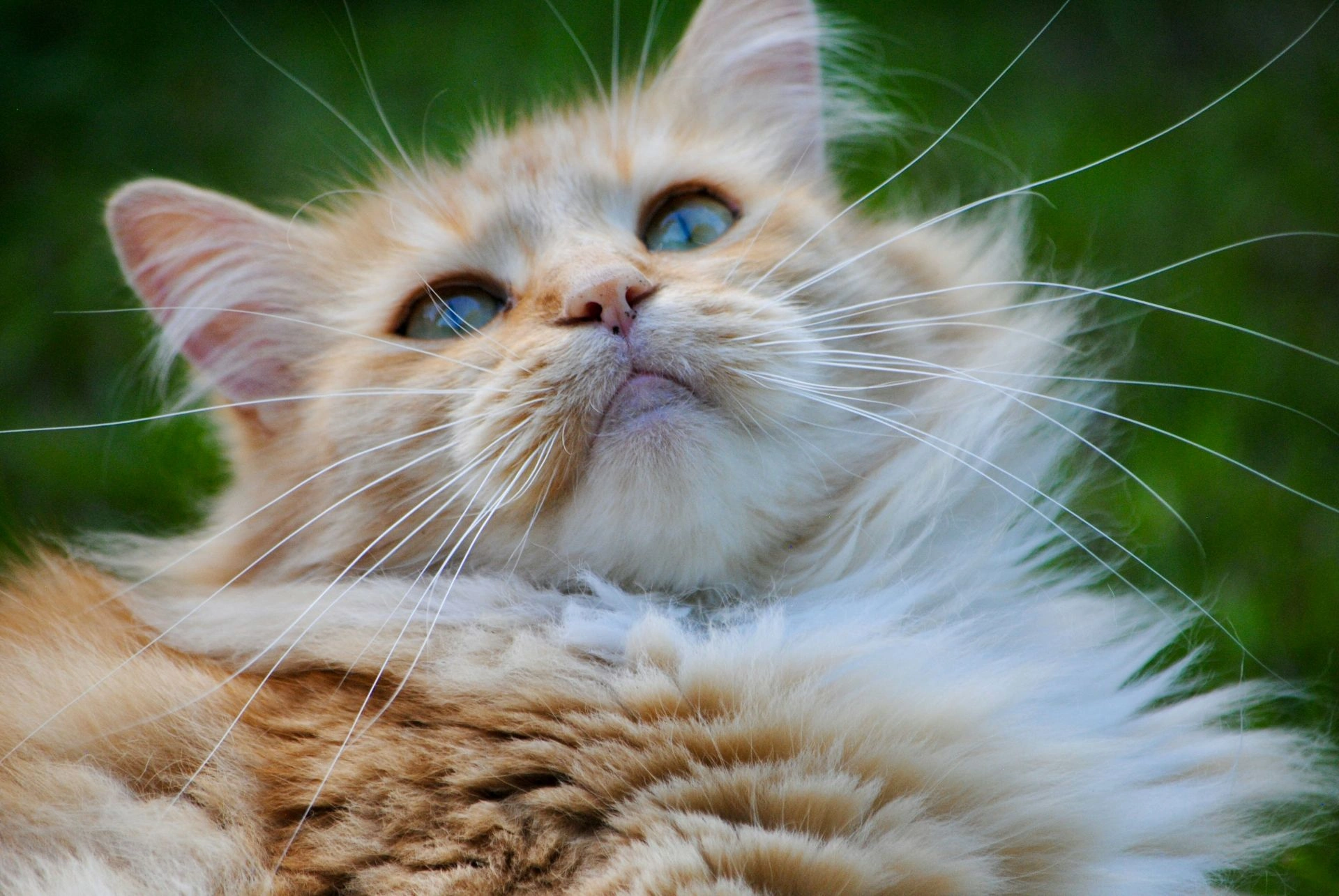
Long-haired cats require extra attention since fluffy fur disguises body shape. You need to use your hands to feel body contours underneath the coat. What looks plump may be all fur, or conversely, significant obesity may hide under that fluff.
The Behavior and Mobility Check:
Observe your cat’s daily activities. Healthy-weight cats jump easily to counters, cat trees, and furniture. They groom all body parts thoroughly. They play energetically, at least in short bursts. Overweight cats show decreased jumping—they may climb instead, or avoid heights entirely. Grooming becomes incomplete, particularly on the back, hindquarters, and rear legs. Play decreases in frequency, intensity, and duration.
Compare your cat’s current activity to memories from a year or two ago. Gradual weight gain causes gradual activity reduction that’s easy to miss day-to-day. Looking at old photos or videos often reveals how much your cat’s body shape and activity level have changed.
Weight Tracking:
If you have a home scale, weigh your cat monthly. Pick them up while standing on the scale, note the combined weight, then weigh yourself alone and subtract. This tracks trends over time. Even 0.5-pound gain over 2-3 months signals a problem requiring intervention. Consistent weight is good; gradual decrease (if overweight) is excellent; gradual increase needs addressing immediately.
Your Fort Lauderdale animal hospital can provide precise weights during wellness exams and compare them to previous visits, tracking trends and assessing whether weight changes warrant concern.
Health Risks: Why Cat Obesity Matters
Understanding the serious health consequences of feline obesity motivates committed weight management. Excess weight isn’t cosmetic—it’s a disease process causing or worsening multiple life-threatening conditions.
Diabetes Mellitus:
Overweight and obese cats develop diabetes at 4 times the rate of healthy-weight cats. Excess body fat causes insulin resistance, meaning cells don’t respond properly to insulin. Eventually, the pancreas can’t produce enough insulin to overcome this resistance, and blood sugar levels rise to diabetic ranges.
Feline diabetes requires twice-daily insulin injections for life, costs several hundred dollars monthly for insulin and monitoring supplies, and significantly reduces quality of life. Many diabetic cats achieve remission with weight loss and dietary management, but prevention through maintaining healthy weight is far better than treatment.
Arthritis and Joint Disease:
Every pound of excess weight adds extra pressure to your kitty’s joints. Overweight cats develop arthritis earlier and more severely than healthy-weight cats. Arthritis causes chronic pain affecting quality of life, mobility, and even litter box use if jumping in and out becomes painful.
Cat obesity signs and symptoms of arthritis include reduced jumping, reluctance to use stairs, decreased grooming (especially hindquarters), changes in litter box habits, and decreased playfulness. Many owners assume these are normal aging changes when they actually reflect pain from weight-related joint disease.
Urinary Problems:
Obesity also increases urinary tract disease risk. Overweight cats are less active, drink less water, and urinate less frequently, allowing urine to concentrate and crystals or stones to form. They’re also more prone to urinary blockages—a life-threatening emergency particularly in male cats.
Some overweight cats develop litter box aversion because entering the box is physically uncomfortable or they can’t position themselves properly due to their size. This creates house-soiling problems that stress both cat and owner.
Hepatic Lipidosis (Fatty Liver Disease):
This life-threatening condition occurs when overweight cats stop eating for 2-3 days, often due to stress, illness, or overly aggressive diet restrictions. The body mobilizes fat stores for energy, but cats’ livers can’t process this fat effectively. Fat accumulates in liver cells, causing liver failure that can be fatal without aggressive hospitalization and treatment.
This makes weight loss in obese cats a delicate process requiring veterinary supervision. Cats must lose weight gradually—think 1-2% of body weight weekly maximum—while eating every day. Aggressive calorie restriction or prolonged anorexia can trigger this dangerous condition.
Reduced Lifespan:
Studies show obese cats live shorter lives than healthy-weight cats. They also experience lower quality of life, due to mobility issues, chronic pain, and disease management requirements. Maintaining healthy weight is one of the single most impactful things you can do to extend your cat’s life and improve their wellbeing.
Cat Weight Loss Solutions: Creating an Effective Plan
Safe, sustainable weight loss in cats requires a multi-faceted approach addressing diet, portions, feeding schedules, and activity. Unlike dogs, cats are obligate carnivores with unique metabolic needs making them prone to health problems from inappropriate diets or feeding methods.
Schedule A Veterinary Consultation First:
Before starting any weight loss program, schedule an exam at your Fort Lauderdale vet clinic. Your veterinarian will confirm your cat is overweight (not pregnant or retaining fluid), determine ideal target weight, calculate safe calorie goals, check for conditions like thyroid disease affecting weight, and create a personalized plan. They’ll also establish baseline bloodwork ensuring your cat is healthy enough for dietary changes.
Never put your cat on a crash diet without veterinary guidance. Cats who lose weight too quickly develop hepatic lipidosis, a potentially fatal liver condition. Safe weight loss for cats is 1-2% of body weight weekly—for a 15-pound cat, that’s only 2-4 ounces weekly or about 1 pound monthly.
Choosing the Right Food:
Weight loss requires fewer calories while maintaining proper nutrition. Specialized weight management cat foods provide balanced nutrition at reduced calories through increased protein, higher fiber for satiety, and lower fat. These foods prevent the nutritional deficiencies that would occur from simply feeding less of regular food.
Look for foods labeled “weight management,” “light,” or “healthy weight” that meet AAFCO standards for adult maintenance.
Consider prescription weight loss diets from your veterinarian for significantly obese cats or those with concurrent health conditions. These therapeutic diets have specific nutrient profiles supporting safe, effective weight loss. Just be sure to check with your vet.
Portion Control Is Critical:
Feeding guidelines on food bags are starting points, not absolute rules. They’re often generous because manufacturers want cats to like and eat their food. For weight loss, most cats need 70-80% of the amount suggested for their current weight, or the full amount suggested for their ideal weight.
Measure food precisely with a standard measuring cup. “Eyeballing” portions leads to overfeeding—studies show owners who estimate pour more food than intended. This single factor prevents weight loss in many cats.
Feeding Schedule Matters:
Free-feeding (leaving food out all day) contributes to obesity since cats graze continuously, consuming more calories than needed. Scheduled meal feeding—typically 2-3 meals daily—creates natural calorie control and prevents constant eating.
Some cats benefit from more frequent small meals (3-4 daily) reducing between-meal hunger and begging. Puzzle feeders or food-dispensing toys slow eating and provide mental stimulation, making smaller portions more satisfying.
Eliminate Extra Calories:
Treats should comprise no more than 10% of daily calories—for a cat on a 200-calorie weight loss diet, that’s just 20 treat calories or about 2-3 typical cat treats. Many owners unknowingly sabotage weight loss with generous treats despite feeding proper meal portions.
Stop feeding table scraps entirely. Human food adds significant calories and teaches begging behaviors. If you must give treats, choose low-calorie options like freeze-dried meat (3-5 calories each) or tiny pieces of cooked chicken.
Increasing Activity and Exercise for Weight Loss
While diet is the primary factor in feline weight loss (accounting for 80% of success), increased activity supports weight loss, preserves muscle mass, and improves overall health. However, getting overweight cats to exercise requires creativity since they’re often resistant to activity.
Interactive Play Sessions:
Engage your cat in play at least twice daily for 10-15 minutes each session. Use wand toys mimicking prey movements—feathers, strings, or toy mice on poles. Move toys in ways that trigger hunting instincts: quick darts, hiding behind furniture, fluttering movements.
Start with very short sessions (3-5 minutes) if your cat is severely overweight or unused to play. Gradually increase duration as fitness improves. Even minimal activity is beneficial.
Environmental Enrichment:
Create an environment encouraging natural movement. Place food bowls on different floors or in various rooms so your cat must walk to meals. Position water away from food, encouraging additional movement. Vertical territory like cat trees promotes climbing and jumping.
Puzzle feeders and food-dispensing toys make cats “work” for food, burning calories and slowing eating. These toys also provide mental stimulation preventing boredom-related eating. Start simple—cats new to puzzles need easy versions building to more complex versions as skills develop.
Harness Training for Supervised Outdoor Time:
Some cats enjoy supervised outdoor time on harness and leash, providing new smells, sights, and gentle exercise. This works best started young, but some adult cats accept harnesses with patient training. Outdoor exploration increases activity and provides mental enrichment reducing stress-related eating.
Play with Other Pets:
If you have multiple cats, encourage interactive play between them. Some cats who ignore human-directed play happily chase and wrestle with feline companions. Adding a kitten sometimes increases an older cat’s activity, though this works only if personalities are compatible.
Realistic Expectations:
Cats are not marathon runners. They’re sprinters designed for short, intense bursts of activity rather than sustained exercise. Ten minutes of vigorous play provides more benefit than forcing reluctant cats into longer low-intensity activity. Quality over quantity is the feline exercise motto.
Troubleshooting Common Weight Loss Challenges
Even with proper diet and effort, some cats struggle to lose weight. Identifying and addressing obstacles improves success rates.
Begging and Food-Seeking Behaviors:
Food-motivated cats beg persistently when portions decrease. This is normal but challenging. Ignore begging completely—even negative attention (yelling, pushing away) reinforces the behavior. Provide non-food attention through play, petting, or grooming instead.
Some cats resort to stealing food—counter-surfing, raiding trash, or eating other pets’ food. Secure all food sources, use trash cans with locking lids, and feed multiple pets separately with supervision.
Multi-Cat Household Challenges:
When one cat needs weight loss but others don’t, meal management becomes complex. Feed cats separately in different rooms, supervising to prevent food stealing. Microchip-activated feeders allow only designated cats to access specific food bowls.
Alternatively, if all cats are adults and one needs weight loss food, sometimes feeding all cats the weight management formula simplifies matters. Healthy-weight cats receive larger portions maintaining their weight while the overweight cat gets smaller portions for weight loss.
Slow or No Weight Loss Despite Compliance:
If your cat isn’t losing weight after 4-6 weeks on a calculated calorie-restricted diet, several factors might be responsible. Someone in the household may be feeding extra food without realizing the impact. Free-roaming outdoor cats might hunt successfully or eat at neighbors’ homes. Medical conditions like hypothyroidism (rare in cats but possible) or Cushing’s disease could prevent weight loss.
Reassess portions—ensure you’re measuring accurately and haven’t been gradually increasing portion sizes unconsciously. Consider reducing calories slightly more, but never below recommended minimums without veterinary guidance. Schedule follow-up with your Oakland Park veterinarian to reassess the plan and rule out medical obstacles.
Cat Refuses Weight Loss Food:
Some cats reject new foods, particularly if they’ve eaten the same food for years. Transition gradually over 7-10 days, mixing increasing amounts of new food with decreasing amounts of old food. Warm food slightly (to body temperature, never hot) to enhance aroma. Add tiny amounts of low-sodium chicken broth, plain pumpkin, or bonito flakes (fish flakes) to improve palatability.
If your cat refuses to eat for more than 24 hours, don’t force the issue—this can trigger hepatic lipidosis. Return to the previous food and consult your veterinarian about alternative weight loss formulas or strategies.
PetMD has a very informative article about obesity in cats, which you can read here. The Association For Pet Obesity Prevention has some great information on pet body scoring on their site here.
FAQ About Cat Obesity and Weight Loss
How can I tell if my cat is overweight?
You can tell if your cat is overweight by performing these at-home checks: feeling for ribs (you should feel them easily without pressing hard), looking from above for a defined waist behind the ribs (absent in overweight cats), viewing from the side for an upward abdominal tuck toward hind legs (level or sagging in overweight cats), and observing decreased jumping ability, incomplete grooming especially on back/hindquarters, and reduced playfulness. Well over half of cats are overweight, so if your cat shows multiple signs, schedule a body condition assessment at your veterinarian.
What are the health risks of an overweight cat?
Overweight cats face higher diabetes risk; earlier and more severe arthritis, causing chronic pain and mobility problems; increased urinary tract disease risk including potentially fatal blockages; higher risk of fatty liver disease; and reduced lifespan compared to healthy-weight cats. Even 1-2 pounds of excess weight creates significant health risks. This is equivalent to a 150-pound person carrying 15-30 extra pounds.
How much should my cat weigh?
The average healthy adult cat weighs 8-11 pounds, though ideal weight varies by breed, frame size, and gender—Maine Coons may be 15-20 pounds while Singapuras may be 5-7 pounds. Rather than focusing on a specific number, assess body condition: you should easily feel ribs without seeing them prominently, observe a defined waist from above, and see an upward abdominal tuck from the side. Your veterinarian can determine your specific cat’s ideal weight range based on their individual frame and breed.
How fast should my cat lose weight?
Cats should lose weight slowly at 1-2% of body weight weekly to prevent hepatic lipidosis (fatty liver disease), meaning a 15-pound cat should lose only 2-4 ounces weekly or 1 pound monthly. Faster weight loss is dangerous and can trigger life-threatening liver failure within days of eating cessation or extreme calorie restriction. Weight loss must be supervised by your veterinarian.
Get Professional Weight Management Support at Our Fort Lauderdale Veterinary Clinic
Recognizing cat obesity signs and symptoms early and implementing safe, effective cat weight loss solutions can add years to your feline friend’s life while dramatically improving their quality of life. Weight management is one of the most important aspects of cat healthcare, yet it requires patience, consistency, and professional guidance to achieve safely.
If you’re searching for a “vet near me” in Fort Lauderdale, Pompano Beach, or Oakland Park, Coral Ridge Animal Hospital provides comprehensive weight management programs, including body condition scoring, ideal weight determination, customized diet plans, and ongoing monitoring ensuring safe, successful weight loss.
Don’t let excess weight shorten your cat’s life or compromise their well-being. Schedule a weight management consultation today with our Fort Lauderdale animal hospital now, to give Fluffy the gift of a healthier, longer, more active life.
This blog is meant to be informational only. Always consult with your veterinarian for proper medical advice, diagnosis, or treatment plan for your pet and follow their guidance.
To learn more about Coral Ridge Veterinary clinic, your premier animal hospital serving Fort Lauderdale, Pompano Beach, and Oakland Park FL, stop by our Service page here for an overview. You can also visit our dentistry page here, or our Wellness and Vaccinations page here.