Does Florida’s intense summer heat have you worried about your dog’s safety during walks, playtime, and outdoor activities? Learning how to keep dogs cool in the Florida summer requires more than just providing water—it demands understanding heat-related dangers and implementing comprehensive Florida summer dog safety tips. At Coral Ridge Animal Hospital, your Fort Lauderdale veterinary clinic, we treat heat-related emergencies every summer and want to help you prevent them. Florida’s combination of high temperatures, extreme humidity, and year-round warmth creates unique challenges that increase the risk of heat stroke.
Dogs cool themselves very differently from humans, making them far more vulnerable to heat stress. Dogs have minimal sweat glands, and rely primarily on panting to regulate their body temperature. Heat stroke can develop within 15-20 minutes in extreme conditions, causing organ failure and death even with emergency treatment. In this guide, we’ll cover essential cooling tips for dogs in heat, recognize the warning signs of heat stroke, create safe summer routines, and help you enjoy Florida’s beautiful weather while keeping Fido safe and comfortable.
Understanding Why Florida Heat Is Especially Dangerous for Dogs
Florida’s climate creates a perfect storm of heat-related dangers that pet owners must respect. Unlike dry heat, where sweat evaporates quickly and provides cooling, Florida’s high humidity prevents effective evaporative cooling. When humidity exceeds 70% (common in Florida summers), panting becomes significantly less effective at lowering body temperature. Dogs must pant harder to achieve the same cooling effect compared to dry conditions.
Temperature alone doesn’t tell the whole story. A 90°F day with 80% humidity feels hotter and more dangerous than a 95°F day with 40% humidity because moisture-saturated air prevents heat dissipation through panting.
Certain Florida-specific factors compound heat dangers. Asphalt and concrete surfaces common in parking lots, sidewalks, and driveways absorb and radiate heat, reaching surface temperatures of 140-160°F on 90°F days. These surfaces cause severe paw pad burns within 60 seconds and reflect heat upward, creating a heat bubble around your dog that is significantly hotter than the air temperature. Beach sand can similarly reach 120-140°F, scorching paws despite the ocean’s cooling proximity.
Florida’s intense sun is stronger than that in northern states due to its lower latitude. UV radiation is 20-30% more intense in South Florida than in Northern states, increasing the risk of sunburn for light-colored or thin-coated dogs and intensifying heat absorption. Cloud cover provides minimal relief since humidity and temperature remain high even on overcast days.
Recognizing Heat Stroke Warning Signs
Preventing dog heat stroke in Florida starts with recognizing early warning signs, allowing intervention before the condition becomes life-threatening. Heat exhaustion—the precursor to heat stroke—is reversible with prompt cooling. Heat stroke involves core body temperature exceeding 105-106°F and causes organ damage that can be fatal even with aggressive emergency treatment. Many dogs with heat stroke die despite veterinary intervention, making prevention and early recognition critical.
Early Warning Signs (Heat Exhaustion):
- Heavy panting that doesn’t decrease with rest
- Excessive drooling or thick, ropy saliva
- Bright red or very pale gums and tongue
- Increased heart rate (you can feel a rapid heartbeat)
- Weakness or difficulty standing
- Confusion or seeming disoriented
- Vomiting or diarrhea
Advanced Signs (Heat Stroke – Emergency):
- Collapse or inability to stand
- Seizures or muscle tremors
- Bloody diarrhea or vomit
- Blue or purple gums indicate oxygen deprivation
- Unconsciousness
- Body temperature over 104°F (normal is 101-102.5°F)
Heat stroke progresses rapidly. A dog can deteriorate to life-threatening heat stroke within 10-15 minutes without intervention. If your dog shows any advanced signs or multiple early signs, begin emergency cooling immediately and contact your Fort Lauderdale animal hospital or the nearest emergency clinic while en route.
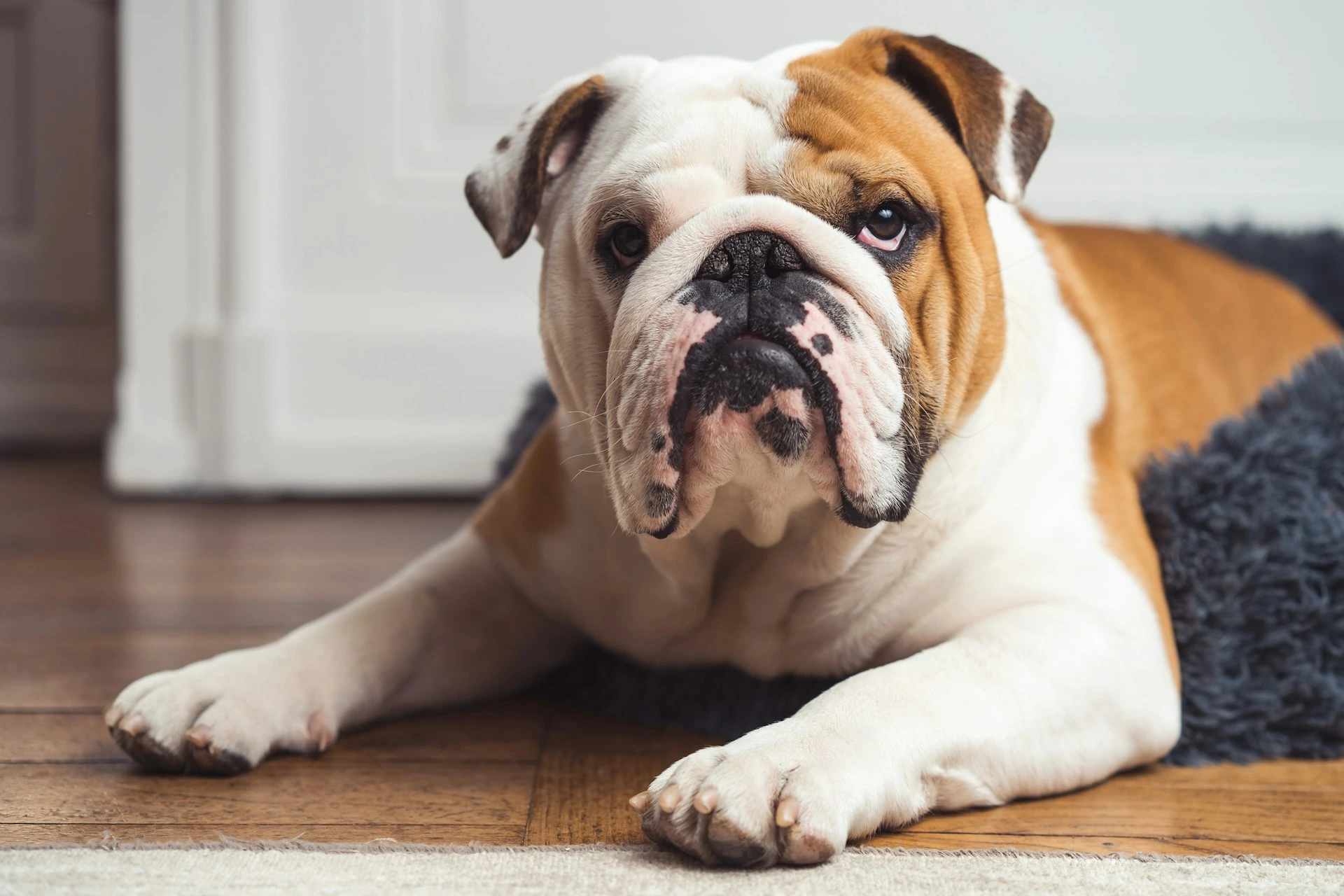
Certain dogs face higher risk and require extra vigilance. Brachycephalic (flat-faced) breeds like Bulldogs, Pugs, Boston Terriers, and Boxers have anatomically compromised airways, making panting less effective; these breeds are 2-3 times more likely to develop heat stroke. Overweight dogs carry extra insulation and work harder to move, generating more heat. Dogs with thick double coats (Huskies, Malamutes, Chow Chows) retain heat despite being indoor pets in Florida. Senior dogs and puppies regulate temperature less efficiently. Dogs with heart or respiratory conditions have compromised cooling systems.
Emergency Cooling Protocol for Overheated Dogs
If you recognize the signs of heat stroke, every second counts. Follow this protocol while traveling to emergency veterinary care:
Step 1: Move to a Cool Environment. Immediately relocate your dog to air conditioning, shade, or, at minimum, out of direct sun. Stop all activity completely.
Step 2: Begin Active Cooling Use cool (not ice-cold) water to wet your dog’s body, focusing on head, neck, chest, and abdomen where major blood vessels run close to the skin surface. Use a hose, wet towels, or pour water directly. Avoid ice or ice-cold water which can cause blood vessels to constrict, paradoxically slowing cooling and potentially inducing shock.
Step 3: Enhance Evaporative Cooling Place your dog in front of a fan while wet to maximize evaporative cooling. In cars without functional AC, drive with windows down to create airflow over your wet dog.
Step 4: Offer Small Amounts of Cool Water If your dog is conscious and able to drink, offer small amounts (a few laps at a time) of cool water. Don’t force water or allow excessive drinking which can cause vomiting. Ice chips to lick are safer than large water volumes.
Step 5: Monitor Temperature if Possible If you have a rectal thermometer, check temperature every 5 minutes. Stop active cooling when temperature drops to 103°F to prevent overcooling. Continue monitoring as temperature can rebound.
Step 6: Seek Immediate Veterinary Care Even if your dog seems to recover, heat stroke causes internal damage not immediately visible. Organ failure can develop hours or days later. Emergency veterinary examination and monitoring are essential for any dog experiencing heat stroke, even if they appear normal after cooling.
Never assume recovery means your dog is fine. Many dogs who seem to recover from heat stroke at home develop delayed complications including kidney failure, brain swelling, or disseminated intravascular coagulation (DIC) within 24-72 hours. Professional evaluation and sometimes hospitalization for monitoring and supportive care are necessary.
Creating a Safe Summer Exercise Routine
Florida’s summer heat doesn’t mean your dog can’t exercise—it means adjusting timing, intensity, and location to protect your furry friend while maintaining their physical and mental health needs. Lack of exercise creates its own health problems including obesity, boredom, and behavioral issues. The key is smart exercise scheduling.
Optimal Exercise Timing:
Schedule walks and outdoor play during the coolest parts of the day. Early morning before 8 AM and evening after 8 PM offer the safest temperatures in Florida summers. Morning is typically cooler and less humid than evening, making it the better choice for longer or more intense activities. Midday walks—even short ones—are dangerous May through September when temperatures peak between 11 AM and 4 PM.
Some days are too hot for outdoor exercise regardless of the time of day. When morning temperatures exceed 85°F or heat index reaches 95°F or higher, consider indoor exercise alternatives. These extreme days are common in Florida July and August, sometimes extending into June and September.
Adjusting Exercise Intensity and Duration:
A dog who walks comfortably for 45 minutes in February needs only 20-25 minute walks in July. Multiple shorter sessions work better than one long session—two 15-minute walks cause less heat stress than one 30-minute walk since your dog has recovery time between sessions.
Reduce intensity on all summer activities. Leisurely walks are safer than jogging. Gentle fetch is better than intense running. Save high-energy activities for climate-controlled indoor spaces or dog-friendly facilities with AC.
Watch for subtle signs your dog is getting too hot: slowing pace, lagging behind, repeatedly stopping, or reluctance to continue. These indicate heat stress before obvious symptoms like excessive panting appear. When your dog shows these signs, stop immediately, move to shade or AC, and offer water.
Safe Walking Surfaces:
Test pavement temperature with the back of your hand. Place your hand on the surface for 7-10 seconds. If it’s too hot for your hand, it’s too hot for Fido’s paws. When ground temperature exceeds 120°F (common on 85°F+ days), paw pads can burn in 60 seconds. Grass stays significantly cooler than pavement—choose grassy routes over sidewalks and parking lots. Beaches should be walked in the early morning or late evening, when the sand cools below 100°F.
Consider protective dog boots for summer walks if you must use hot surfaces. Many dogs resist boots initially but acclimate with gradual introduction and positive reinforcement. Paw balm can also help.
Indoor Exercise Alternatives:
On hot days, indoor exercise helps maintain fitness safely. Treadmill walking (if your dog accepts it), indoor fetch in hallways or large rooms, hide-and-seek games, puzzle toys, indoor agility obstacles, and training sessions provide mental and physical stimulation without heat exposure. Swimming in indoor pools or your home pool (with supervision) offers excellent exercise with natural cooling.
Cooling Tips for Dogs in Heat: Home and Yard Strategies
Beyond exercise modifications, implementing comprehensive cooling strategies at home keeps your dog comfortable and safe throughout Florida’s long summer season.
Hydration Is Critical:
Always provide unlimited access to fresh, cool water. Change water at least twice daily—stagnant warm water discourages drinking. Multiple water stations throughout your home ensure easy access wherever your dog is resting. For dogs who spend time outside (only during cooler hours with shade), provide several water bowls, as one can tip or be emptied.
Add ice cubes to water bowls for extra cooling. Some dogs enjoy chewing ice cubes as treats. Frozen treats like ice cubes made with low-sodium chicken or beef broth provide hydration and cooling while being more appealing than plain water.
Consider elevated water bowls that require less effort to drink—this encourages more frequent hydration, particularly for senior dogs with arthritis who find floor-level bowls uncomfortable.
Creating Cool Zones:
Ensure multiple shaded areas in your yard if your dog spends any supervised outdoor time. Natural shade from trees is cooler than shade from structures because plants transpire moisture, creating evaporative cooling. Shade sails, awnings, or covered patios provide alternative shade when natural shade is limited.
Indoors, provide cool resting areas away from sunny windows. Tile or linoleum floors are cooler than carpet—many dogs instinctively seek these surfaces in summer. Cooling mats designed for pets use pressure-activated gel or water that stays cooler than ambient temperature, providing 3-4 hours of cooling per session.
Keep indoor temperature consistently cool with AC. Dogs are most comfortable at 68-76°F. Higher temperatures are manageable with fans and other cooling strategies, but AC is ideal for preventing heat stress. If AC isn’t available or cost is prohibitive, fans create air circulation that helps cooling, though they’re less effective in high humidity.
Grooming Considerations:
Regular brushing removes loose undercoat in double-coated breeds, improving air circulation to skin. However, never shave double-coated breeds (Huskies, Golden Retrievers, German Shepherds) completely—their coats provide insulation from both heat and the sun. A light trim may help, but maintaining at least 1 inch of coat prevents sunburn and allows the coat’s natural cooling function.
Short-coated and light-colored dogs need sunscreen on exposed areas such as noses, ear tips, and bellies if they’ll be in the sun for extended periods. Use pet-safe sunscreen—human sunscreen contains ingredients toxic to dogs if licked.
Cooling Accessories:
Cooling vests use evaporative cooling when soaked in water then placed on dogs. These work best in lower humidity but still provide some benefit in Florida. Bandanas soaked in cool water and tied around necks cool blood flowing to the brain. Elevated beds allow air circulation underneath, preventing heat buildup from lying on hot ground.
Kiddie pools provide fantastic cooling for dogs who enjoy water. Fill with a few inches of cool water for wading. Sprinklers and hoses make fun cooling play activities during short supervised outdoor sessions in morning or evening.
Special Considerations for Florida-Specific Situations
Florida’s unique lifestyle and environment create specific situations that require extra attention to keep dogs cool and safe in the Florida summer.
Beach Safety:
Many Florida beaches allow dogs during certain hours or seasons. While beach visits seem fun, they pose multiple heat dangers. Sand often reaches 120-140°F on hot days, burning paws. Morning beach visits before 9 AM when sand stays cooler are safest. Bring beach umbrellas or pop-up tents for shade—natural shade is rare on beaches.
Ocean water cools dogs temporarily but salt water encourages excessive drinking, potentially causing salt toxicity if ingested in large quantities. Provide fresh water so your dog doesn’t feel compelled to drink ocean water. Rinse dogs with fresh water after ocean swimming to remove salt and prevent skin irritation.
Boat and Water Activities:
Boating exposes dogs to reflected sun, and offers minimal shade and usually no escape from heat. Provide shade structures on boats, ensure life jackets for safety, and limit time on water to cooler parts of day. Dogs can get heat stroke on boats despite being surrounded by water because they can’t access that water for cooling.
Car Safety:
Never leave dogs in parked cars, even with windows cracked or in shade. Interior car temperatures reach 120°F within 15 minutes on 80°F days, and 140°F+ within 30 minutes. Unfortunately, dogs die in hot cars every year in Florida, a completely preventable tragedy. If you can’t take your dog inside with you, leave them home in AC.
Outdoor Events:
Festivals, farmer’s markets, and outdoor dining sound fun with your dog but expose them to concrete heat, crowds, and often offer minimal shade. Unless the event is specifically dog-friendly with shade and water stations, your dog is safer and more comfortable at home. Brief outdoor errands are fine during cooler hours, but extended outdoor events during summer heat are risky.
Hurricane Preparedness:
Florida’s hurricane season (June-November) coincides with peak heat. Power outages during hurricanes eliminate AC, creating dangerous heat situations. Include cooling supplies in emergency kits: battery-powered fans, cooling mats, frozen water bottles, and multiple gallons of drinking water. Know which emergency shelters accept pets or have evacuation plans to pet-friendly hotels or family outside evacuation zones.
The ASPCA wrote about summer safety tips for dogs here. You can also read more in this article by the Cornell College of Veterinary Medicine.
FAQ About Keeping Dogs Cool in Florida Heat
What temperature is too hot for dogs in Florida?
When the heat index (temperature plus humidity) reaches 90°F or higher, outdoor activities become dangerous for most dogs, and when it exceeds 100°F, even brief outdoor exposure risks heat stroke. In Florida’s high humidity, air temperatures of 85°F often create heat indices of 95-100°F or higher. Additionally, pavement temperatures can reach 140-160°F when air temperature is only 85-90°F, causing severe paw burns within 60 seconds. Schedule outdoor activities only during morning before 8 AM or evening after 8 PM during Florida summer months.
How can I tell if my dog is overheating?
Signs your dog is overheating include excessive panting that doesn’t decrease with rest, drooling heavily or producing thick saliva, bright red or pale gums, weakness or difficulty standing, vomiting or diarrhea, and confusion or disorientation. Advanced heat stroke signs requiring immediate emergency care include collapse, seizures, blue or purple gums, and unconsciousness. Brachycephalic breeds, overweight dogs, and those with thick coats show heat stress signs earlier and need more careful monitoring during Florida’s intense summer heat.
What are the best ways to cool down an overheated dog?
To cool an overheated dog, immediately move them to air conditioning or shade, wet their body with cool (not ice-cold) water, focusing on head, neck, chest, and abdomen, place them in front of a fan while wet for evaporative cooling, and offer small amounts of cool water if they’re conscious and able to drink. Seek immediate veterinary care even if your dog seems recovered, as internal organ damage can cause delayed complications within 24-72 hours requiring professional monitoring and treatment.
Can I walk my dog during the Florida summer?
Yes, you can walk your dog during Florida summer by scheduling walks during the coolest times—early morning before 8 AM or evening after 8 PM—when temperatures drop below 85°F. Reduce walk duration to 50-60% of winter length, choose grassy routes over hot pavement, bring water for both you and your dog, watch for signs of overheating, and be prepared to cut walks short if your dog shows heat stress. On extreme heat days when morning temperatures exceed 85°F or heat index reaches 95°F+, keep walks short and use indoor exercise alternatives.
Visit Our Fort Lauderdale Veterinary Clinic
Understanding how to keep dogs cool in Florida summer protects your furry friend from life-threatening heat-related emergencies while allowing safe enjoyment of outdoor activities during cooler hours. Florida’s unique combination of high heat and humidity requires vigilance and smart planning to prevent heat stroke. If you’re searching for a “vet near me” in Fort Lauderdale, Pompano Beach, or Oakland Park, Coral Ridge Animal Hospital provides comprehensive wellness care, emergency treatment for heat-related conditions, and personalized Florida summer dog safety tips based on your dog’s breed, health status, and lifestyle.
Don’t wait until your dog shows signs of heat stroke to take summer safety seriously. Schedule a wellness exam today so we can assess Fido’s risk of heat stroke, discuss cooling tips for dogs in heat tailored to your dog’s needs, and ensure your pup is healthy enough for Florida’s demanding summer climate. Contact our Fort Lauderdale animal hospital now for expert guidance on keeping your canine companion safe, cool, and comfortable all summer long.
This blog is meant to be informational only. Always consult with your veterinarian for proper medical advice, diagnosis, or treatment plan for your pet and follow their guidance.
To learn more about Coral Ridge Veterinary clinic, your premier animal hospital serving Fort Lauderdale, Pompano Beach, and Oakland Park FL, stop by our Service page here for an overview. You can also visit our dentistry page here, or our Wellness and Vaccinations page here.