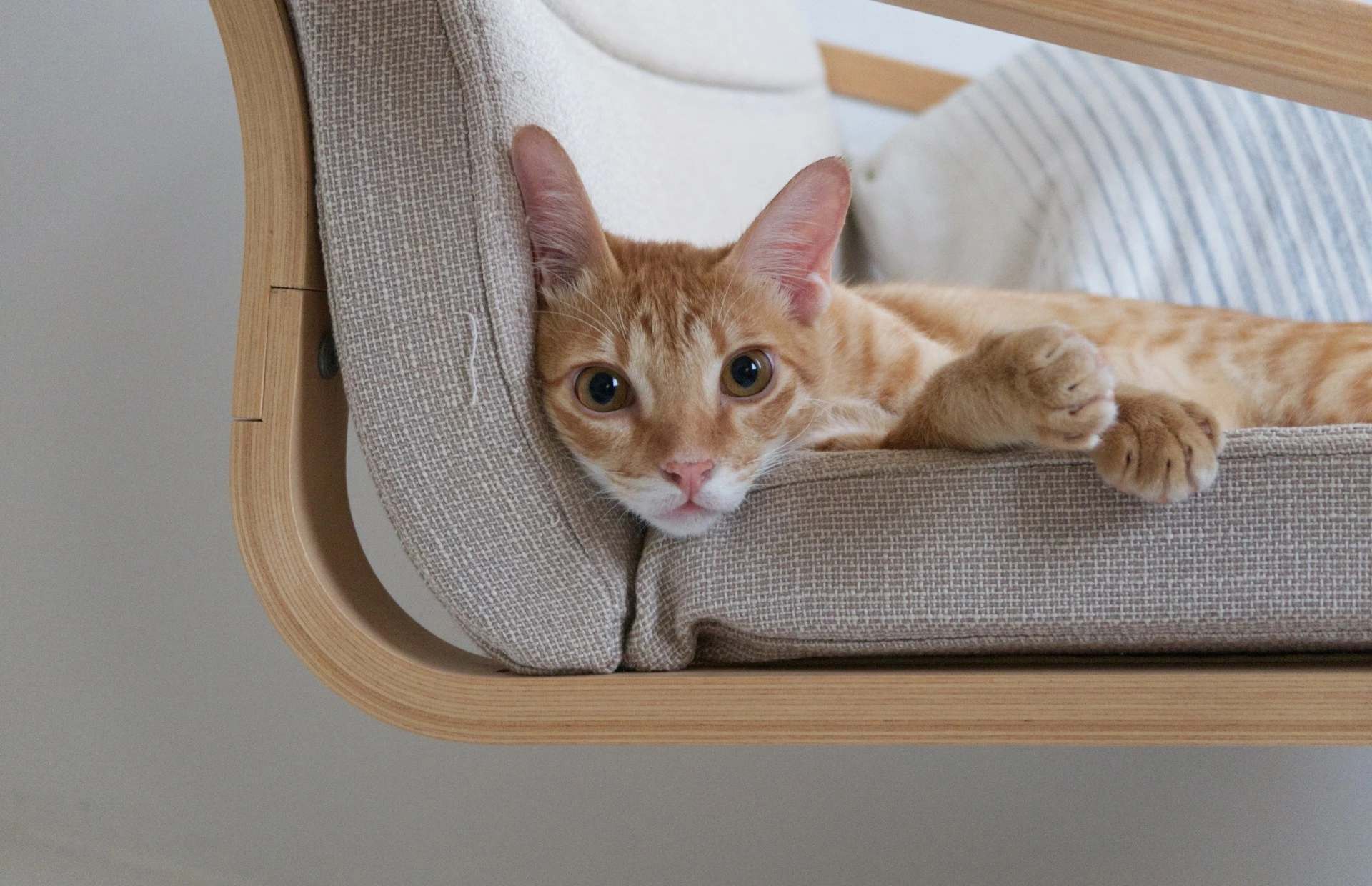
Is your cat turning your couch, chairs, or carpet into a shredded mess despite your best efforts to stop the behavior? Learning how to redirect cat scratching to appropriate surfaces saves your furniture while meeting your feline friend’s natural, instinctual needs. At Coral Ridge Animal Hospital, your Oakland Park veterinary clinic, we help cat owners understand that scratching isn’t misbehavior—it’s essential cat behavior serving multiple important purposes. Approximately 100% of cats scratch as part of their normal behavioral repertoire, making prevention impossible, but redirection is highly successful with the right approach.
Here’s the thing: you can’t eliminate scratching, but you absolutely can prevent cat furniture scratching by understanding why cats scratch and providing irresistible alternatives. Cats scratch to maintain claw health, mark territory, stretch muscles, and express emotions. Trying to stop this behavior completely creates frustrated, stressed cats who often develop worse behavioral problems. The solution lies in cat scratching behavior solutions that redirect the behavior to acceptable locations rather than attempting elimination. In this guide, we’ll explore why cats scratch, how to choose and place the perfect scratching posts, effective training techniques, and troubleshooting strategies for persistent furniture scratchers.
Why Do Cats Scratch? Understanding the Behavior
Before implementing solutions to stop cat scratching furniture, understanding the behavior’s purposes helps you provide appropriate alternatives. Scratching serves multiple essential functions that benefit your cat’s physical and emotional well-being.
Claw Maintenance: Scratching removes the dead outer sheath of claws, revealing the sharp, healthy claw beneath. This natural grooming process keeps claws in optimal condition for climbing, hunting, and self-defense. Indoor cats who don’t scratch enough develop overgrown claws that curve into paw pads, causing pain and infection. Regular scratching prevents this problem naturally.
Territory Marking: Cats have scent glands in their paw pads that deposit pheromones when they scratch. These scent marks communicate “this is mine” to other cats and create familiarity and comfort for your cat in their environment. Visual scratch marks also serve as territory indicators. This territorial aspect explains why cats often scratch near entry points, sleeping areas, and in socially significant locations like living rooms where the family gathers.
Muscle Stretching and Exercise: The scratching motion provides a full-body stretch engaging muscles from paws through shoulders and back. Cats who scratch regularly maintain better flexibility and muscle tone, which is particularly important for indoor cats with limited exercise opportunities. Watch your cat scratch—they often stretch dramatically while doing it, demonstrating the physical satisfaction the behavior provides.
Emotional Expression: Cats scratch more when excited, stressed, or seeking attention. A cat might scratch enthusiastically when you come home, before meals, or during play. This excitement scratching differs from maintenance scratching and often occurs in specific contexts. Stressed cats also increase scratching as a self-soothing displacement behavior similar to humans pacing or fidgeting.
Understanding these functions explains why attempts to completely eliminate scratching fail and cause behavioral problems. Your cat needs to scratch—the goal is directing this necessary behavior to appropriate locations through cat scratching behavior solutions rather than fighting natural instincts.
Choosing the Right Scratching Posts and Surfaces
The most critical factor in successfully redirecting scratching is providing scratching posts that your cat actually wants to use. Many cat owners invest in scratching posts that remain unused while furniture continues getting destroyed. The difference lies in understanding cat preferences and selecting posts meeting specific criteria.
Height and Stability Requirements:
Cats need to stretch fully while scratching. Posts must be tall enough for your cat to extend completely. Short posts force cats to crouch or scratch in uncomfortable positions, making them unappealing. Your couch and doorframes are tall enough for full stretching, which partially explains their appeal.
Stability is equally critical. Posts that wobble, tip, or shift when scratched feel unsafe and unsatisfying to cats. They’ll abandon unstable posts immediately and return to furniture that doesn’t move. The base should be heavy and wide enough that vigorous scratching doesn’t budge it.
Surface Material Options:
Different cats prefer different scratching surfaces, but certain materials appeal to most felines:
Sisal Rope: The most popular material for vertical posts. Sisal provides satisfying resistance and a rough texture that grips claws well. It’s durable, lasting 12-18 months with regular use before needing replacement. Look for posts with tightly-wound sisal without gaps between wraps.
Sisal Fabric: Flatter than rope and allows different scratching motions. Some cats strongly prefer fabric over rope. Sisal fabric scratchers typically mount on walls or lie horizontally. They’re excellent for cats who scratch carpets rather than upholstered furniture.
Corrugated Cardboard: Many cats love cardboard scratchers, particularly horizontal or angled versions. Cardboard is inexpensive, easily replaced (typically every 2-4 months), and produces satisfying shredding. The main downside is mess—cardboard creates debris that needs regular vacuuming.
Natural Wood: Some cats prefer scratching actual wood posts or logs. These appeal to cats’ wild instincts and last indefinitely. Rough bark texture provides excellent grip. Cedar or pine logs make attractive, functional scratching options.
Carpet: Generally, the least recommended material since it teaches cats that carpet-like textures are acceptable scratching surfaces—the opposite message from what most owners want. If you choose carpet, ensure it’s a different texture and color from your home carpeting.
Horizontal vs. Vertical Preferences:
Watch where your cat scratches now. Cats scratching sofa arms prefer vertical surfaces, while cats clawing carpets or rugs prefer horizontal scratchers. Some cats enjoy both orientations for different purposes. Ideally, provide at least one vertical and one horizontal option to determine your cat’s preference. Many cats prefer vertical scratching, but some prefer horizontal, and others use both equally.
Angled scratchers combining aspects of both orientations appeal to many cats. These slope from floor to about 18-24 inches high, allowing varied scratching positions.
Strategic Placement: Where to Put Scratching Posts
Even the perfect scratching post fails if placed in the wrong location. Cats scratch in specific areas for specific reasons, making placement as important as post quality for successful furniture protection and cat scratching behavior solutions.
Near Sleeping Areas: Cats scratch after waking from sleep to stretch muscles and mark territory around resting spots. Place scratching posts within 6-8 feet of favorite sleeping locations. This catches post-sleep scratching before your cat wanders to furniture.
Near Current Scratching Sites: Don’t hide scratching posts in unused rooms or corners. Place them directly next to or in front of furniture that your cat currently scratches. This makes the appropriate alternative impossible to ignore. Once your cat consistently uses the post (typically 2-4 weeks), you can gradually move it a few inches per day to a more aesthetically pleasing location if desired.
Entry and Exit Points: Cats scratch near doorways to mark territory as they enter or leave spaces. Position posts near doors to rooms your cat uses frequently. This territorial scratching serves important psychological needs—it provides outlets in these significant locations.
High-Traffic Social Areas: Living rooms, family rooms, and other spaces where people gather attract scratching because they’re territorially important. Cats mark these areas more than isolated rooms. Accept that you’ll need at least one scratching post in your main living space—trying to confine scratching to a spare bedroom rarely succeeds.
Multiple Locations: For multi-room homes, provide scratching options in several rooms—a minimum of 2-3 posts for a single cat, adding 1-2 more for each additional cat. Expecting one post in the basement to satisfy all scratching needs doesn’t work. Many multi-cat homes need 4-6 scratching posts to adequately prevent furniture damage.
Visibility Matters: Cats want prominent scratching locations that effectively mark territory. Hidden posts tucked behind furniture or in closets fail. Place posts visibly and prominently, even if this seems aesthetically displeasing initially. Once your cat develops strong scratching habits on appropriate surfaces, you have more flexibility in placement.
Training Techniques to Redirect Scratching
With appropriate posts properly placed, active training helps your cat learn which surfaces are acceptable and which are off-limits. These techniques for how to redirect cat scratching work best when used consistently and patiently.
Positive Reinforcement for Appropriate Scratching:
Reward every instance of scratching post use, especially in the first 2-3 weeks of training. Rewards can be treats, praise, petting, or play—whatever your cat values most. The instant your cat touches the scratching post, even just sniffing it, offer enthusiastic praise. When they actually scratch it, immediately provide a treat or favorite toy.
This positive association builds quickly. Within 1-2 weeks, most cats begin approaching scratching posts eagerly because they’ve learned good things happen there. Some cats respond well to catnip rubbed on posts, though approximately 30% of cats don’t react to catnip genetically. For these cats, try silvervine, which appeals to a different 80% of cats who don’t respond to catnip.
Gentle Discouragement from Furniture:
When you catch your cat scratching furniture, interrupt with a neutral sound like “eh-eh” or clapping once. Don’t yell, squirt water, or punish—this creates fear and stress without teaching appropriate behavior. Simply interrupt, then immediately redirect to a nearby scratching post. Physically place your cat in front of the post, gently move their paws in a scratching motion on the surface, and reward lavishly if they scratch.
This interruption-redirection sequence teaches cats where they should scratch rather than just where they shouldn’t. Punishment alone doesn’t work because cats still have the scratching urge with no acceptable outlet. Redirection provides that outlet while still communicating that furniture is off-limits.
Make Furniture Less Appealing:
While building positive associations with scratching posts, temporarily make furniture less attractive for scratching:
Sticky Tape or Sheets: Apply double-sided sticky tape (like Sticky Paws) to areas your cat scratches. Cats hate sticky sensations on paws and avoid these surfaces. After 2-4 weeks of consistent post-use, remove the tape—most cats maintain their new scratching habits.
Aluminum Foil: Cover scratched furniture areas with foil. The texture and sound deter most cats. Like tape, this is temporary until new habits form.
Furniture Covers: Use throws, blankets, or plastic covers on furniture, securing them so your cat can’t scratch beneath. This protects furniture while training progresses.
Scent Deterrents: Spray furniture with citrus-scented sprays (cats dislike citrus) or commercial pet deterrent sprays. Reapply daily until scratching stops. Never use these on scratching posts—you want posts to smell normal or appealing, not repellent.
Demonstrate Scratching: This sounds odd, but some cats learn by watching. When introducing new scratching posts, scratch them yourself with your fingernails, making exaggerated motions. Some cats immediately investigate and mimic the behavior, especially kittens and young cats who learn through observation.
Play Near Posts: Engage in interactive play sessions near scratching posts using wand toys. Many cats scratch enthusiastically during or after play when excitement peaks. Having posts nearby catches this natural urge at peak motivation times.
Addressing Persistent Furniture Scratching
If basic redirection techniques aren’t working after 3-4 weeks of consistent effort, troubleshoot to identify why your cat continues choosing furniture over provided alternatives.
Reassess Post Quality: Honestly evaluate your scratching posts. Are they tall enough for full stretching? Completely stable when scratched vigorously? Covered in appealing material? Positioned prominently near furniture being damaged?
Try Different Materials: Your cat might have strong material preferences you haven’t met yet. If you’ve only offered sisal, try cardboard or wood. If you’ve provided vertical posts, add horizontal options. Experiment until you find what your specific cat loves. Some cats won’t use sisal rope but enthusiastically shred sisal fabric.
Increase Number and Locations: One or two posts may be insufficient. Add more posts in different rooms, different heights, and different orientations. Multi-cat households particularly need generous scratching options—territorial competition makes sharing posts stressful for some cats.
Address Underlying Stress: Increased scratching sometimes signals stress or anxiety. Have there been household changes—new people, pets, routines, or furniture arrangement? Cats scratching more than normal (beyond typical maintenance) often experience environmental stressors. Addressing the stress source reduces excessive scratching.
Nail Caps as a Management Tool: Soft vinyl nail caps (like Soft Paws) glued over claws prevent furniture damage while you continue training. These temporary caps last 4-6 weeks before natural claw growth causes them to fall off. They don’t prevent scratching behavior, but eliminate the damage, buying time for training to take effect.
Consider Medical Issues: Rarely, obsessive scratching indicates medical problems. Cats with arthritis might scratch excessively to stretch painful joints. Skin conditions cause itching that looks like scratching. Hyperthyroidism increases overall activity, including scratching. If your cat suddenly increases scratching dramatically or shows other behavioral changes, schedule an examination at your Oakland Park animal hospital.
Professional Behavior Consultation: For truly persistent cases not responding to standard techniques after 2-3 months, consider consulting with a veterinary behaviorist. These specialists identify subtle factors affecting behavior and design customized intervention plans. Your Oakland Park vet clinic can refer you to qualified behaviorists if needed.
What NOT to Do: Ineffective and Harmful Approaches
Several common approaches to stopping cat scratching furniture are ineffective at best and harmful at worst. Avoiding these mistakes improves your training success:
Punishment: Yelling, hitting, or using spray bottles creates fearful, stressed cats without teaching appropriate behavior. Punished cats often scratch furniture when owners aren’t watching, learning to be sneaky rather than learning where to scratch. Punishment damages your bond and can trigger aggression or other behavioral problems.
Relegating Cats to Single Rooms: Confining cats to basements or spare rooms because of scratching is unfair and ineffective. Cats are family members deserving full house access. Isolation creates additional stress and behavioral issues. The solution is better training and appropriate scratching options, not confinement.
Removing All Scratching Posts: Some frustrated owners remove posts, thinking, “If they won’t use them, why have them?” This guarantees furniture destruction since cats must scratch somewhere. Even underutilized posts provide some outlet. Instead of removing posts, reassess quality and placement to improve appeal.
Inconsistency: Allowing furniture scratching sometimes but not others confuses cats. If you’re too tired to redirect one day or let scratching slide because you’re busy, training breaks down. Consistency—every person in the household enforcing the same rules every time—is essential for success within 4-6 weeks rather than months of sporadic progress.
Special Considerations for Kittens and Multi-Cat Homes
Different situations require modified approaches to prevent cat furniture scratching effectively.
Training Kittens:
Start scratching post training the day you bring a kitten home—typically when they are between 8-12 weeks old. Kittens learn quickly and form habits that last a lifetime. Place scratching posts prominently and reward use lavishly. Young kittens have boundless energy and scratch frequently, so provide multiple options in kitten-frequented areas.
Kittens learn through play, so incorporate scratching into play sessions. Drag toys up and down posts, encouraging your kitten to chase and grab, which naturally involves scratching. This creates powerful positive associations between posts and fun.
Kitten scratching posts can be shorter (18-24 inches) since kittens are small, but plan to upgrade to adult-sized posts by 6-8 months. Many cats who learn proper scratching as kittens never develop furniture scratching problems as adults—early training pays lifelong dividends.
Multi-Cat Households:
Multiple cats need more scratching options to prevent resource competition. Provide at least 1-2 scratching posts per cat, distributed throughout the home. Some cats guard prime scratching locations, preventing subordinate cats from using them. These subordinate cats then scratch furniture since their preferred posts are unavailable.
Watch for social tension around scratching areas. If you notice one cat intimidating others away from posts, add more posts in different locations so every cat has access to acceptable scratching without confrontation. Vertical territory is particularly important—tall cat trees with integrated scratching posts allow cats to scratch at different heights simultaneously without conflict.
Senior Cats:
Older cats with arthritis may need modified scratching options. Very tall posts might be difficult to reach fully, while low horizontal scratchers may be painful to use. Observe your senior cat’s mobility and provide options they can use comfortably. Angled scratchers work well for arthritic cats who can’t stretch fully vertical.
Senior cats also develop stronger preferences and habits. A cat who has scratched the same sofa corner for 10 years needs patient, persistent retraining. Success is possible but may take 2-3 months instead of the typical 4-6 weeks for younger cats.
Chewy did an article on why cats scratch, which you can read here. Humane World for Animals also has a post on scratching in kitties. Click here for that one.
FAQ About Stopping Cat Furniture Scratching
How do I stop my cat from scratching furniture?
To stop cat scratching furniture, provide tall (28-36 inches), stable scratching posts covered in appealing materials like sisal rope or cardboard, placed directly next to or in front of furniture your cat currently scratches. Reward scratching post use with treats and praise while gently redirecting furniture scratching to appropriate surfaces. Make furniture temporarily unappealing with sticky tape or aluminum foil.
Why does my cat scratch furniture instead of the scratching post?
Cats scratch furniture instead of posts when posts are too short for full stretching (under 28 inches), unstable and wobble when scratched, covered in unappealing materials, placed in the wrong locations away from the cat’s territory, or insufficient in number for multi-cat homes. Unused scratching posts often have quality or placement issues rather than cats having behavioral problems. Assess post height, stability, material, and location, then make improvements based on your cat’s demonstrated preferences.
What is the best scratching post to prevent furniture damage?
The best scratching posts are 28-36 inches tall, allowing full-body stretching, completely stable with heavy bases that don’t wobble or tip, covered in sisal rope or fabric (most cats’ preferred materials), and placed prominently near furniture currently being scratched or in high-traffic areas where cats naturally mark territory. For maximum success, provide both vertical and horizontal scratching options in multiple locations throughout your home—at least 2-3 posts for single-cat households, adding 1-2 posts per additional cat.
Get Expert Behavioral Guidance at Our Oakland Park Veterinary Clinic
Successfully learning how to redirect cat scratching to appropriate surfaces protects your furniture while meeting your cat’s natural behavioral needs. With proper scratching posts, strategic placement, and consistent positive training, your feline pal can learn better manners. If you’re searching for a “vet near me” in Oakland Park, Coral Ridge Animal Hospital provides behavioral consultations to help you develop effective cat scratching behavior solutions customized to your cat’s specific preferences and your household situation.
Don’t let furniture damage frustrate your relationship with your feline friend. Schedule a behavioral consultation today so we can assess your cat’s scratching patterns, recommend appropriate scratching posts and placement strategies, and create a training plan to prevent cat furniture scratching while keeping Fluffy happy and healthy. Contact our Oakland Park animal hospital now for expert guidance on all aspects of cat behavior and training.
This blog is meant to be informational only. Always consult with your veterinarian for proper medical advice, diagnosis, or treatment plan for your pet and follow their guidance.
To learn more about Coral Ridge Veterinary clinic, your premier animal hospital serving Fort Lauderdale, Pompano Beach, and Oakland Park FL, stop by our Service page here for an overview. You can also visit our dentistry page here, or our Wellness and Vaccinations page here.